Heater Repair In Dubai | Central And Solar
Table of Contents
- Introduction
- 1. Central Water Heater Repair: Diagnostics and Common Fixes
- 2. Solar Water Heater Repair: System Issues and Solutions
- 3. Preventive Maintenance for Central and Solar Heaters
- 4. Cleaning and Scale Removal for Dubai Conditions
- 5. Emergency Repair and 24/7 Support in Dubai
- 6. Choosing the Right Repair Service: Central vs. Solar Specialists
- FAQ
- Conclusion
Introduction
Overview of Dubai heating systems
Dubai relies on two main approaches to meet year round comfort: central water heating and solar water heating. Each system serves different needs and climates, ensuring hot water and steady indoor temperatures.
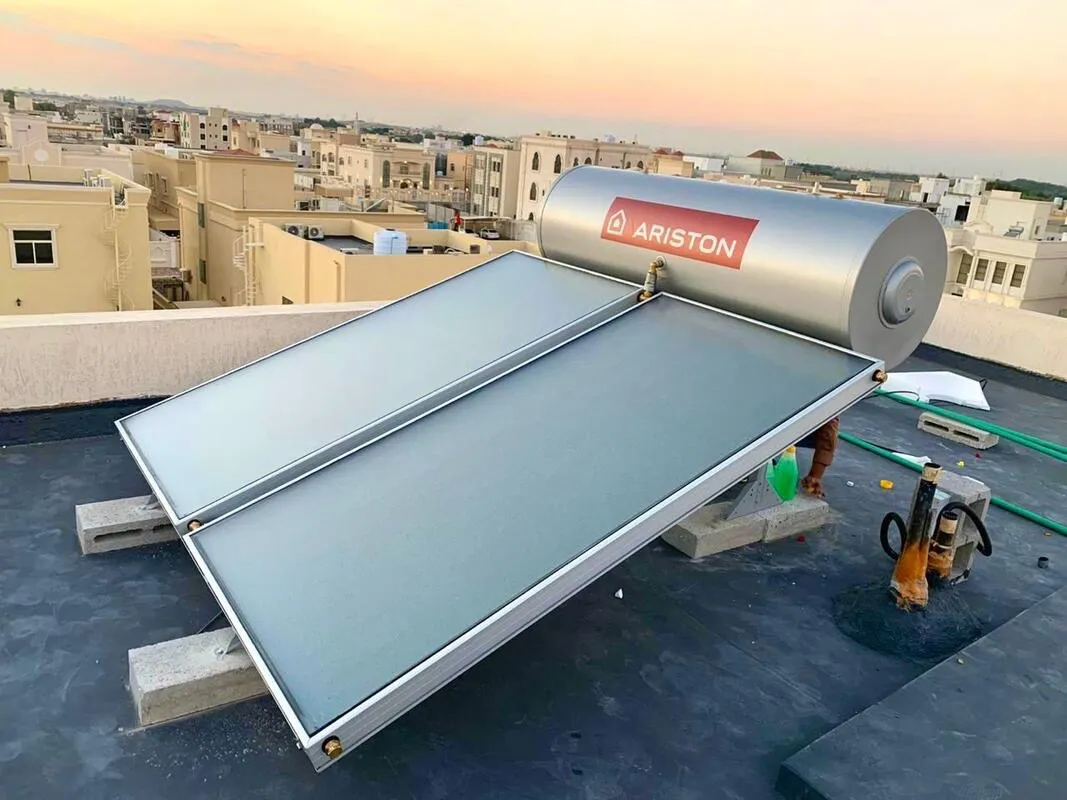
Central water heating distributes heat from a single source through pipes to keep spaces evenly warmed. Solar water heaters capture sun energy to heat water for taps, showers, and other uses. In Dubai, both options are common and are often used together to balance reliability and efficiency. For example, a hotel might use a solar preheat system with a gas or electric booster during winter peaks to guarantee a consistent supply.
Why central and solar heater repair matters in Dubai
Regular maintenance and timely repairs prevent outages and help manage energy costs. In Dubai, dust, mineral content in some water supplies, and intense sun exposure can accelerate wear on components. Proactive service helps avoid unexpected hot water shortages and costly replacements. A quarterly inspection can catch loose fittings, sediment buildup, and sensor drift before they cause failures.
Key reasons to prioritize heater repairs include:
- Maintaining a consistent hot water supply for daily needs
- Preventing corrosion, leaks, and pressure problems in storage tanks
- Preserving efficiency of solar collectors and heat exchangers
- Extending system life with proper maintenance and timely part replacements
Practical maintenance steps you can take
Schedule a seasonal service with a licensed technician to check seals, valves, and insulation. In Dubai, a spring service helps readiness for high-demand periods and reduces winter outage risk.
- Inspect and tighten all connections to prevent slow leaks that corrode tanks over time
- Test thermostats and safety valves to ensure proper shutoff and accurate temperatures
- Flush sediment from storage tanks and solar storage to maintain efficiency
- Clean solar collectors and verify glazing cleanliness for maximum sun exposure
Real world scenarios and actionable tips
A commercial building with a solar water heating system uses a temperature-activated mixer to blend solar heated water with a backup heater. This prevents scalding while maintaining comfort during cloudy periods.
Actionable tip: keep a simple maintenance log that records dates, parts replaced, and energy performance metrics. This helps identify declining efficiency and justify upgrades, such as adding a second solar loop or an improved heat exchanger.
Common mistakes and edge cases
Mineral buildup can reduce heat transfer efficiency, especially in areas with hard water. Follow the manufacturer’s recommended replacement intervals for pumps, valves, and gaskets. If temperatures fluctuate, check sensor placement and wiring before assuming a component failure.
1. Central Water Heater Repair: Diagnostics and Common Fixes
Identifying faulty heating elements and thermostats
Start with a quick test to confirm heat delivery. If water remains cold despite the unit running, the issue may lie with the heating elements or the thermostat. Use a multimeter to check continuity in electric elements and verify the thermostat settings align with the desired temperature.
Common signs include fluctuating water temperatures, tripped breakers, or a thermostat that does not respond to adjustments. Replacing a faulty element or calibrating the thermostat can restore stable heat without overhauling the entire system.
Practical steps you can take today: First, turn off power at the breaker and drain a small amount of water to expose the elements. Remove access panels and inspect for visible burn marks or disconnected wires. Test elements one at a time with a multimeter set to continuity, replacing any element that shows an open circuit. For thermostats, verify calibration by setting the high and low limits and comparing the actual water temperature with the target. If the temperature lags by more than 5 degrees, recalibrate or replace the thermostat.
Troubleshooting pressure and temperature relief valves
The pressure and temperature relief valve protects the tank from excess pressure. If it drips or trips frequently, inspect for mineral buildup or improper valve seating. Clean or replace the relief valve as needed to prevent leaks and maintain safe operation.
Check for proper valve operation by gently lifting the lever to release a small amount of water. If water continues to escape after reseating, a replacement valve is usually required to restore proper safety function.
- Inspect surrounding area for mineral deposits that can hinder seating.
- Test the valve inhibition by applying a small amount of pressure with the lever; if leaks persist, replace.
- Use a relief valve with a compatible temperature rating and install with new threading tape or compound.
Addressing leaks and corrosion in storage tanks
Leaks around the tank indicate weakened seals, fittings, or corroded metal. Inspect all connections, including inlet and outlet pipes, for signs of moisture or mineral crust. Tighten loose fittings and replace corroded gaskets to curb seepage.
Corrosion inside the tank can compromise water quality and structural integrity. If you notice rust-colored water or pitting near the bottom, plan a tank evaluation and potential replacement. Timely intervention prevents further water damage and equipment failure.
- Schedule a professional inspection if you see persistent dampness or crusty mineral buildup near joints.
- Document dates of leaks and maintenance to track deterioration over time.
- Consider preventive coatings or corrosion-resistant materials for future replacements to extend lifespan.
2. Solar Water Heater Repair: System Issues and Solutions
Diagnosing solar collector performance problems
Begin with a visual and functional check of the collectors. Dust, debris, or shading from nearby structures reduces sunlight absorption and heat transfer. Look for signs of damage such as cracks or broken glazing.
Measure input heat transfer by comparing the collector temperature with ambient conditions. If the panel temperature is only modestly higher than the air, there may be a bottleneck in the absorber or cooling circulation.
Concrete example: a homeowner notices a cooler shower in the afternoon. They measure panel surface at 120°F while outdoor air is 75°F, indicating poor heat transfer or restricted flow, not a defective panel.
Practical steps:
– Check for shading at peak sun hours and trim branches or relocate obstructions.
– Clean the collector face with a soft cloth and non-abrasive cleaner.
– Use a solar inspector’s mirror or a smartphone app to spot micro-cracks on glazing.
Expert perspective: Shading accounted for 30–40% of underperforming residential systems in 2023. If shading is eliminated and performance remains low, test the loop flow rate against design specifications.
Repairing storage tank and heat exchanger faults
The storage tank and heat exchanger store heated water and are key for efficiency. Leaks at connections or corrosion inside the tank can raise energy use. Inspect for mineral sediment buildup and flush the tank as needed.
Heat exchanger faults can show as inconsistent hot water or reduced flow. Replacing faulty tubes or plates, or resealing joints, can restore efficient heat transfer without a full system upgrade.
Real-world scenario: A family notices variable hot water temperatures during morning showers. A tank flush reveals sediment buildup that impedes heat transfer, requiring a partial tank cleaning and a thermostat check.
Actionable steps:
– Drain and flush the tank following manufacturer guidelines.
– Check anode rod condition and replace if severely corroded to prolong tank life.
– Inspect heat exchanger seals and connections for leaks; tighten or reseal as needed.
Common caveat: Flushing without proper filtration can recirculate mineral fines. Use a sediment filter and comply with local waste water regulations.
Valve, pump, and controller repairs for solar systems
- Valves: Stuck or leaking valves disrupt flow control and temperature regulation. Clean, reseat, or replace faulty valves to restore proper operation.
- Pumps: Circulation pumps that fail to move heated water cause stagnation and cold taps. Listen for abnormal noise and inspect electrical connections, impeller wear, and valve restrictions.
- Controllers: Faulty sensors or control logic can misread temperatures and drive the system incorrectly. Calibrate sensors, update firmware if available, or replace the controller to restore accurate regulation.
After diagnosing a fault, plan targeted repairs based on component criticality and accessibility. Prioritize pump and valve fixes for the quickest improvement in performance.
Edge case: In multizone setups, one faulty sensor can mislead the controller to under-heat the entire loop. Verify sensor placement and cross-check with a handheld thermometer on both supply and return lines.
3. Preventive Maintenance for Central and Solar Heaters
Seasonal inspection protocols
Seasonal checks help catch issues before they cause downtime. Schedule a comprehensive review at the start of each heating season and midseason quick checks to maintain reliability.
During the routine, technicians verify operability, listen for unusual noises, and inspect visible components for wear. Document findings to track performance over time and guide future maintenance.
Pipe insulation and energy efficiency checks
Insulation quality directly affects heat retention. Inspect exposed pipes and storage connections for gaps, cracks, or degrading insulation. Replace or repair as needed to reduce heat loss.
For solar systems, check insulation on header pipes and storage lines to prevent thermal losses during hot water transit. Efficient piping supports lower energy use and steadier hot water delivery.
Action steps:
- Measure pipe surface temperatures after a 15 minute run to identify cold spots.
- Seal gaps with appropriate foil tape and rewrap where insulation is compacted.
- Test insulation thickness against manufacturer specs and replace if below minimum R-value.
Sensor calibration and performance testing
Accurate sensors ensure correct temperature control. Calibrate thermostats and sensor probes to align with setpoints and system readings. Misreadings can lead to unnecessary cycling or insufficient hot water.
Perform functional tests to confirm sensor responsiveness under normal and peak load conditions. If readings drift, replace sensors or update control calibration to restore precise regulation.
How to run a quick tech test:
- Set a known target temp, monitor actual output, and record deviations over a 30 minute window.
- Simulate peak load by turning on multiple zones and observe sensor response time.
- Log calibration adjustments with time stamps and note any drift trends across seasons.
4. Cleaning and Scale Removal for Dubai Conditions
Descaling solar collectors and storage tanks
Dubai’s mineral-rich water can leave scale deposits that hinder heat absorption. Regular descaling helps maintain efficient heat transfer from collectors to the water tank. Specialists use safe descalers compatible with solar components to avoid material damage.
Descaling should target both the solar collectors and the storage tank where mineral buildup concentrates. Focus on the absorber fins, tubing, and the tank interior to restore flow rates and heat exchange efficiency.
Dust and debris impact on heat transfer
Dust accumulation reduces sunlight absorption and forces the system to work harder. Routine cleaning of collector glass and mirrors restores maximum solar gain. Debris in the piping can create flow restrictions that lower output and raise energy use.
Maintenance visits should include a wipe down of external surfaces and a quick internal check for blockages. Clearing debris supports consistent hot water production even during dusty periods.
Water quality considerations in maintenance plans
Water hardness and mineral content influence scaling and corrosion. Incorporate water quality checks into the maintenance plan to tailor cleaning frequency and chemical treatments. Adjust flushing schedules based on local water profiles to minimize buildup.
Use of compatible inhibitors and treatment additives can slow scale formation without impacting system safety. Regular sampling and analysis help spot trends and prevent sudden performance drops.
Service approaches and best practices
- Schedule cleaning during cooler periods to avoid rapid temperature changes that stress components.
- Combine cleaning with a pressure flush to dislodge stubborn deposits without harming seals.
- Inspect gaskets, seals, and connections after descaling to ensure airtight and leak-free operation.
Maintenance scheduling and records
Document cleaning dates, before and after performance metrics, and any observed wear. A clear log helps calibrate intervals and plan replacement before failures occur.
| Maintenance Item | Recommended Interval | Key Benefit |
|---|---|---|
| Collector descaling | 12-24 months | Maintains high heat absorption |
| Storage tank flushing | 12-24 months | Reduces sediment buildup and corrosion risk |
| Dust and debris cleaning | Every 3-6 months | Preserves heat transfer efficiency |
5. Emergency Repair and 24/7 Support in Dubai
When to call for urgent service
Call emergency repair services at the first sign of a sudden hot water loss, strong gas odor, or any leak from central or solar components. Quick response protects property and prevents further damage.
Other urgent indicators include pilots going out, breakers tripping repeatedly, or loud banging or hissing from the tank or pipes. Do not attempt DIY fixes in these cases.
In multi unit buildings, a rapid loss of hot water can impact neighbors. Notify building management along with the emergency call so responders can coordinate shutdowns safely and minimize collateral damage.
What to expect during rapid response visits
Technicians arrive prepared to diagnose and restore service efficiently. Expect a concise assessment, safety checks, and focus on the components critical to bringing the system back online.
- On site diagnostics with minimal disruption to your routine
- Immediate safety verifications for gas, electrical, and water connections
- Temporary fixes to restore hot water while full repairs are scheduled
- Clear communication about parts needed and expected timelines
Technicians should verify their identity, present a written estimate, and explain any after hours charges or access limitations in tight spaces.
Follow-up steps after rapid response
After the initial fix, a targeted plan outlines remaining work, parts replacements if needed, and a timeline for full restoration. Request a written plan with preventive actions and a budget for the complete repair.
- Ask for a parts list with model numbers to prevent mismatches
- Confirm whether a temporary bypass is safe during the full repair window
- Schedule follow-up visits while the system remains under observation to catch latent issues
Warranty and aftercare for emergency repairs
Emergency repairs are covered differently by each service plan and component. Always confirm the scope of warranty for parts and labor at the time of service.
- Parts warranties may extend beyond the initial visit to cover recurrences
- Labor warranties ensure remaining issues within the repair scope are addressed without extra charge
- Follow-up checks help verify long term reliability and prevent reoccurrence
For ongoing protection, consider a maintenance agreement that includes priority scheduling, seasonal inspections, and emergency response windows tailored to Dubai’s climate and water conditions. Include descaling checks for solar coils to prevent efficiency losses.
6. Choosing the Right Repair Service: Central vs. Solar Specialists
Credentials to look for in technicians
Ensure technicians hold licenses or certifications relevant to central and solar systems. Look for manufacturer training, up-to-date safety credentials, and proof of insurance with clean safety records.
- Evidence of manufacturer training for the specific system type
- Certification in electrical, gas, or plumbing work as applicable
- Professional affiliations or recognized industry credentials
Comparing pricing, parts, and service guarantees
Prices vary by system type and job scope. Seek transparent estimates that itemize labor, parts, and travel. Confirm whether original parts or approved equivalents are used and what warranties apply to those parts.
| Aspect | Central System Repair | Solar System Repair |
|---|---|---|
| Typical pricing drivers | Labor hours, gas or electrical work, replacement valves or elements | Collector components, tanks, heat exchangers, pumps |
| Parts quality | Original or OEM substitutes when available | Solar-specific parts with verified compatibility |
| Service guarantees | Labor warranty on repair work | Parts and performance warranty on solar components |
Maintenance contracts and long-term reliability
Assess whether a maintenance plan is available and what it covers. A solid program should include seasonal inspections, priority scheduling, and emergency response windows aligned with Dubai’s climate. Proactive checks and quick access to replacement parts drive long-term reliability.
- Annual or semi-annual inspection schedules
- Priority booking and reduced response times for covered work
- Clear escalation paths if upgrades or replacements are necessary
Practical steps to verify service quality
Ask for references from clients with similar systems and check how fast issues were resolved under Dubai’s conditions. Request a written service history with dates, parts used, and observed performance improvements.
- Request three recent reference calls and three written maintenance records
- Require a detailed on-site assessment before any work begins
- Ask for a staged payment plan tied to milestones
Common mistakes to avoid
Avoid technicians who lack current insurance, refuse to share their license number, or install non-certified parts to cut costs. Don’t accept vague estimates or promises of immediate, permanent fixes without follow-up tests.
- Never approve non-certified parts for critical safety components
- Do not skip a preliminary diagnostic check to save time
- Avoid contracts with overly restrictive cancellation or modification terms
FAQ
What are the typical costs for central and solar heater repairs in Dubai?
Costs vary by system type, parts, and labour required. Expect quotes to itemize labor hours, part costs, and any travel charges. Always ask for a written estimate before work begins.
- Central system repairs often hinge on elements like thermostats or valves.
- Solar system repairs focus on collectors, tanks, and pumps specific to solar circuits.
- Prices can differ between brands and whether original parts are used.
How often should solar water heaters be serviced in Dubai’s climate?
Regular service supports efficiency and longevity. A typical schedule includes seasonal inspections and annual deeper checks. Regular maintenance helps catch scaling and debris issues early.
- Seasonal inspections align with Dubai’s weather patterns to minimize heat loss and scale buildup.
- Annual tasks cover cleaning collectors and testing the heat exchanger.
- Maintenance plans may adjust based on water hardness and usage levels.
Can solar heaters work efficiently with regular central heating systems?
Yes, solar heating can complement central systems, but integration should be properly engineered. A well-designed hybrid setup balances energy input and maintains reliable hot water supply.
- Integration requires compatible controllers and safety valves.
- System performance depends on proper pump operation and sensor calibration.
- Professional setup reduces the risk of cross-circulation and heat loss.
What signs indicate a failing solar collector or storage tank?
Look for reduced hot water output, visible leaks, or sudden pressure changes. Debris on collectors and corrosion on tanks can signal impending failures. Early detection improves repair outcomes.
- Unexplained drops in heating performance
- Visible mineral scaling or sediment buildup
- Leaks around fittings or tank corrosion
Do repairs affect warranty coverage?
Repair work can impact warranty terms. Always verify which components are covered and whether service visits reset or extend coverage. Warranties may vary by part type and service provider.
- Parts warranties may apply separately from labour guarantees
- Some warranties require the use of approved parts and certified technicians
- Follow-up inspections might be recommended to maintain warranty validity
Conclusion
Key takeaways for maintaining reliable hot water
You rely on both central and solar systems to deliver steady hot water in Dubai’s climate. Regular inspections prevent small issues from becoming expensive breakdowns. Prioritize addressing abnormal noises, unusual temperature changes, or pressure fluctuations promptly.
Keep a simple maintenance log to track seasonal checks, part replacements, and service visits. Documenting what was done helps avoid repeated diagnostics and speeds up future repairs.
- Schedule seasonal checks to align with local weather patterns
- Inspect for leaks, corrosion, and mineral buildup around components
- Verify thermostat and sensor accuracy for consistent performance
Practical steps for a proactive maintenance routine
Start with a 12 month calendar that marks key service dates for both central boiler systems and solar thermal collectors. In Dubai, plan around peak sun months and the cooler winter window when use is steady.
Step 1: Visually inspect tanks, pipes, and mounting hardware for rust, dampness, or loose brackets. Step 2: Check the anode rod if your tank is old enough to warrant one and replace if it shows heavy wear. Step 3: Test pressure relief valves monthly and replace faulty units immediately.
Step 4: Run the water heater at different setpoints to confirm stable hot water at multiple faucets. Step 5: For solar loops, inspect vacuum tubes or panels for dirt, cracks, or shading that reduces efficiency. Clean solar collectors with a soft brush and non-abrasive cleaner as needed.
- Keep a simple log with date, findings, and parts replaced
- Schedule professional inspection if you notice sudden pressure spikes or temperature swings
- Use manufacturer recommended cleaners and never use high pressure water on solar panels
Data points and expert perspectives you can use
Experts note that regular professional service can reduce energy consumption by up to 15 percent in mixed central and solar setups. In Dubai, mineral scaling from hard water is common, so descaling every 12 to 24 months can keep heat exchanger efficiency high.
Engineers recommend a targeted approach: prioritize checks on pressure relief valves, heat exchangers, and solar loops first, then expand to thermostats and sensors. Regular testing of performance metrics helps you compare year over year and spot slow declines early.
- Typical replacement cycles: thermostat every 5–7 years, anode rod every 3–5 years depending on water chemistry
- Descaling frequency varies with hardness; test water hardness annually
- Warranty considerations: many brands require annual service to keep coverage valid
Common mistakes and edge cases to avoid
Avoid DIY fixes that involve high pressure release valves or electrical wiring unless you are trained. Incorrect manipulation can cause scalding or electrical hazards.
Edge cases include seasonal shutdowns for extended holidays or power outages. In such periods, drain and winterize the system if temperatures drop unexpectedly or if you will be away for weeks.
- Never bypass safety devices to save time or money
- Do not mix incompatible cleaners with corrosion resistant coatings
- Be cautious of mineral buildup around heat exchangers which can mimic leaks
Benefits of proactive maintenance for Central and Solar systems
Proactive maintenance reduces energy waste and extends equipment life. By catching issues early, you minimize unplanned downtime and preserve warranty coverage where applicable.
Maintenance also improves safety by ensuring valves, pressure relief devices, and pumps operate within design limits. A well-kept system delivers reliable hot water with predictable costs.
لماذا يثق عملاؤنا بخدماتنا
| المزايا | التطبيق | الفائدة المباشرة |
|---|---|---|
| استجابة سريعة | خدمة منزلية مع فنيين مدربين ووجود دعم فني عبر الهاتف للمساعدة على اختيار الخيار الأنسب | تقليل فترات التوقف وتحسين راحة المستخدم وتقليل فقدان المنتجات القابلة للتلف |
| أسعار شفافة وثابتة | خطط خدمة موحدة للجميع مع توضيح التكاليف قبل البدء | سهولة التخطيط المالي وتفادي المفاجآت وتجنب التكاليف الإضافية غير المتوقعة |
| ضمانات متكاملة | إصلاحات وقطع ضمن فترة الضمان مع متابعة فنية مجاناً عند الحاجة | ثقة أكبر وتقييمات إيجابية من العملاء وتحسّن السمعة المحلية |
Leave a Reply